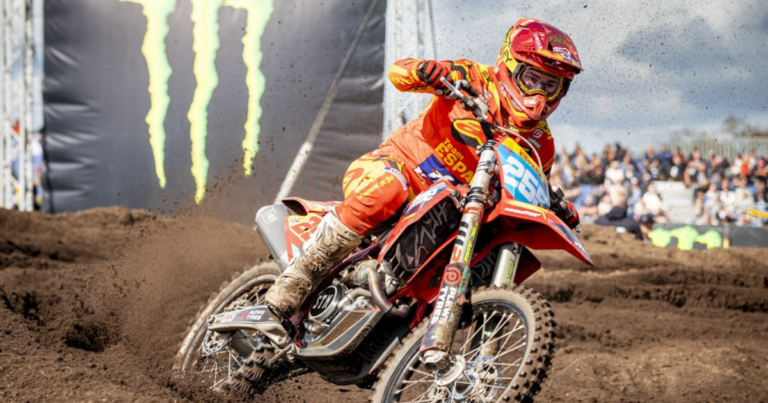

I saw the WMX riders integrated into the paddock alongside all the other classes for the first time this season. The same setup will be in place again at Arnhem.
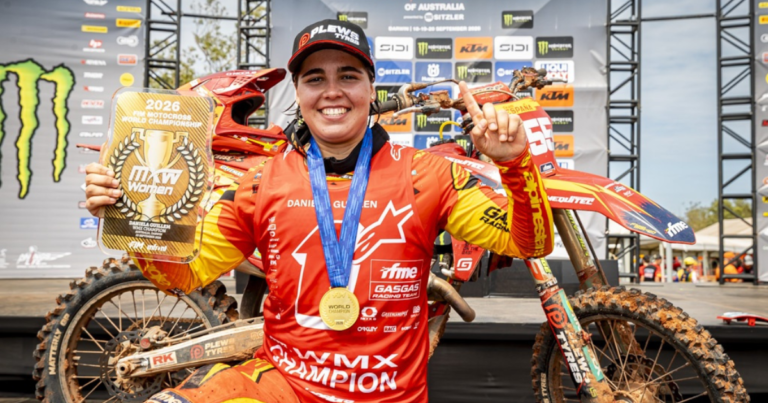
I saw many fans asking the female riders for photos.
I saw a track that was unanimously praised by the riders. Foxhill proved that a more “old-school” circuit brings something different, both for the riders and for the spectacle.
I saw several riders escorted to anti-doping tests after the second race—something that is still relatively uncommon in the FIM Motocross World Championship.
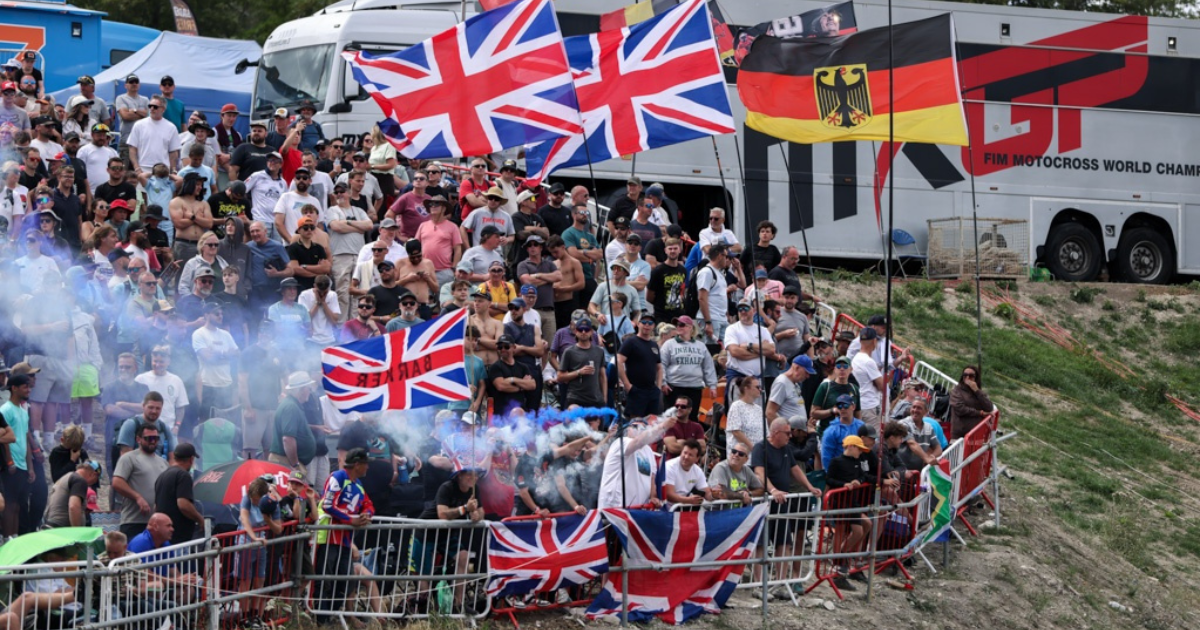
I saw a large crowd on Sunday despite the early start time of the second race.
I saw a slightly smaller entry list than at the previous rounds. There are several reasons for that, including travel costs, but above all, the growing number of injured riders. The gate should be full again at the next round.
I saw a rider crash at the start of the second race and require medical evacuation after several long minutes. Although she was well protected by the marshals, I struggled to understand why the race wasn’t red-flagged. Riders continued to pass right beside the incident, and some even glanced at their fallen competitor. Yes, stopping the race would have been frustrating for those who had made a strong start, but even if the location allowed the medical team to work relatively safely, the safety of every rider should always come first.
I saw an old-school track with plenty of run-off areas that allowed riders to recover from mistakes. It was still potentially dangerous, however, because of the large number of people inside the circuit perimeter.
I saw tremendous commitment from the marshals and volunteers, who were rewarded with a fantastic crowd. Everyone I spoke to hoped the event would return next year and remain on the calendar for many years to come.
I saw a track on Sunday morning that had been well watered but was far less muddy than the conditions the WMX riders often face. The grip was excellent—a very pleasant surprise.
What I saw at Foxhill