WMX World Championship deserves better



The most common injuries in Women’s Offroad The pressure to return quickly Protective Gear Support Looking ahead...
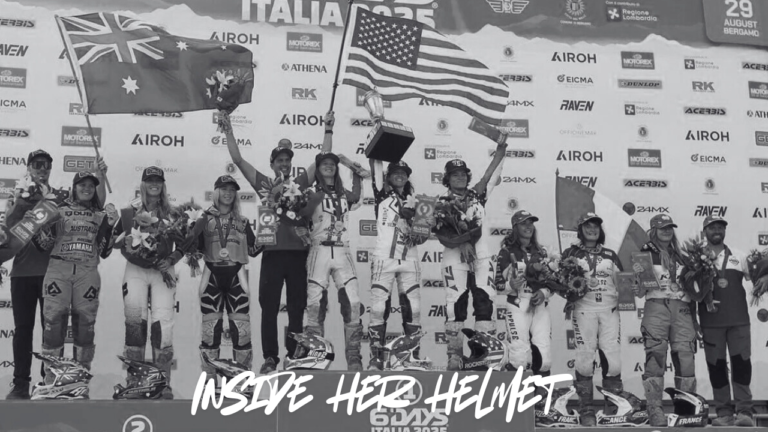
The Women’s Enduro World Championship should be the ultimate competition for the best female riders worldwide — after all, it aims to crown the top female enduro athlete. Yet the reality is far more complex. Many top riders focus on national series, and the diversity of off-road disciplines makes it difficult to unify a global championship.

The WMX World Championship should be the ultimate competition for all the best female riders in the world — after all, it crowns the best female rider globally. Yet the reality is very different. Many American riders prefer to stay in the United States. Some riders in the World Championship paddock are starting to speak openly about the system’s limits.
The two biggest men’s championships — the MXGP World Championship and the AMA Pro Motocross in the U.S. — dominate the scene. Other national championships are developing, but the battle for top riders is fierce between the two. For female riders, we are heading in the same direction, but I firmly believe women’s motocross should not simply replicate the men’s model. It is different — and it deserves a different approach.

In a motocross world saturated with male-centric content, female riders struggle to gain media attention despite structured championships like the WMX US with six rounds, the FIM WMX World Championship matching that format, and the Women’s Enduro World Championship at five rounds in 2026. International sites covering MXGP or Pro Motocross barely acknowledge them, limiting coverage to just two or three star riders per season, while national outlets do respectable but strictly local work. This meager visibility creates a major obstacle. Grids remain full, competition reaches unprecedented levels, and races deliver pure thrills, yet consistent exposure stays elusive.

The best male motocross riders are engaged in a near-constant competition cycle (between 7 and 9 months) with very short breaks. For women, the ratio between training weeks and competition weeks is almost equal (around 6 months) for the riders competing the most. This significant difference has a whole host of consequences.

Women motocross riders worldwide face a harsh financial reality where their earnings don't reflect the enormous risks and total commitment they put into their sport. While male stars in championships like MXGP or Supercross earn millions through team contracts, promoter bonuses, and massive sponsorships, only the very best female riders manage to make a living from motocross. This disparity is global, from Europe to America, including Australia and New Zealand, where prize money remains scarce or minuscule compared to the prohibitive costs of travel and equipment.

The WMX x SMX Revolution: What It Really MeansThe Women’s Motocross Championship (WMX) is joining the SuperMotocross League (SMX) with the support of Synchrony as its title partner. This new step in the development of the American championship will change things in the world of motocross.

I wanted to talk about women’s Supercross. Watching the Mini O’s this week — even if the tracks are outdoors with obstacles more widely spaced than those in official Supercross championships — brought back some memories. Because if you didn’t know, women’s Supercross once existed in the United States, and it was an exciting chapter in off-road racing history.

In the world of women's motocross and off-road racing, prize money is rare. Used for national championships, it doesn't exist at the world championships. How do the riders manage to support themselves during their season? Do they receive any money?